

Synthetic Genomics, Inc. (SGI) is a leader in the genomics revolution. SGI was founded in 2005 by genomics pioneers Craig Venter, Ph.D., and Nobel Laureate Hamilton Smith, M.D., shortly after the completion of the Human Genome Project, which mapped the human genome for the first time. Since then, scientists and engineers have dramatically improved the accuracy and reduced the cost associated with reading the sequence of DNA code — the order of the As, Cs, Ts, and Gs that make up an organism’s genome.
In understanding how DNA serves as the universal operating system of life, our founders boldly envisioned we could then program cells to solve some of humanity’s largest challenges. Our innovations have incubated multiple technologies that are now being pursued in spin-out-companies or by our strategic partners.
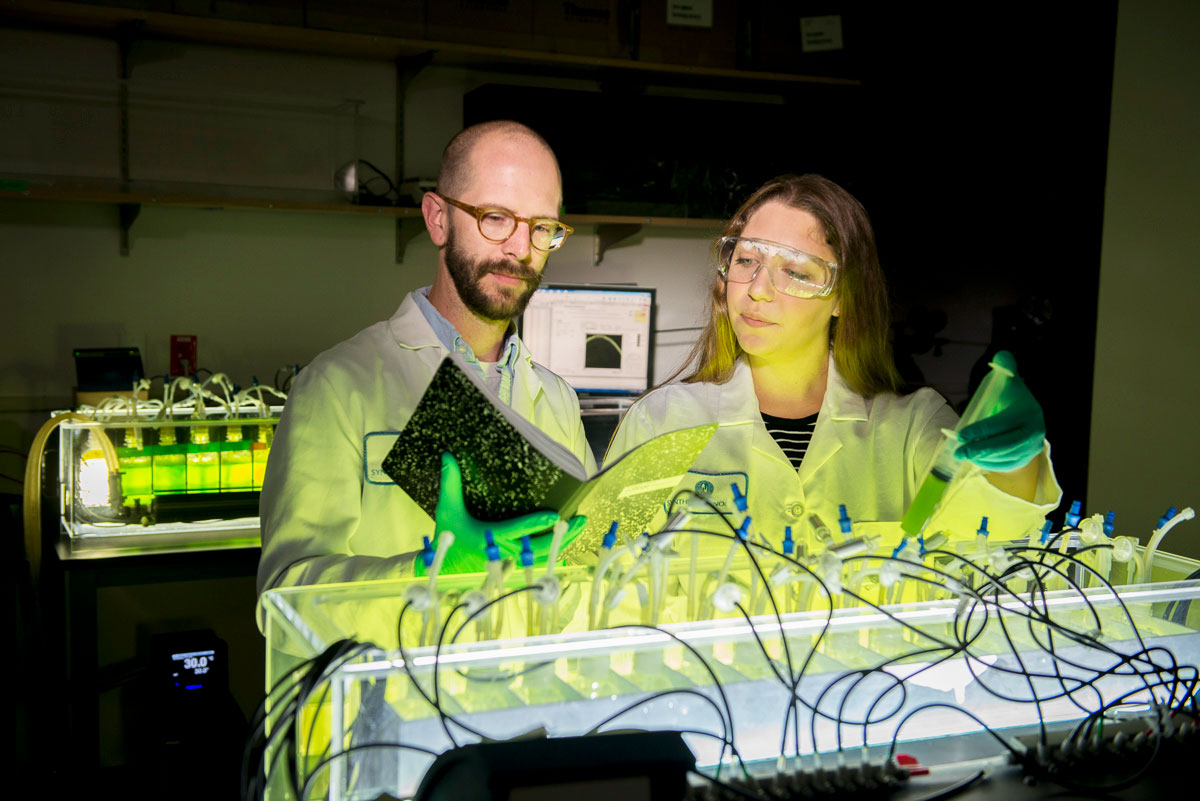
Today, we build on our profound genomic expertise to address some of the largest challenges facing humanity: CO2 emissions, pollution and climate change. To combat impending environmental crises, we are redesigning algae to create scalable biofuels, ultimately providing sustainable transportation solutions with low environmental impact. In partnering with ExxonMobil and its proven record of breakthrough engineering products and large-scale deployment, we are able to build a platform that can make a meaningful difference in the world: scalable, sustainable low-carbon biofuels.

Synthetic Genomics founded by J. Craig Venter, Ph.D., and Nobel Laureate Hamilton O. Smith, M.D. Using reprogrammed cells as bio-factories, founders sought to provide transformative new products across industries.

First bacterial genome transplantation. As a key proof of principle in synthetic biology, the project was an important step towards realizing the ultimate goal of creating a synthetic organism that can solve global health and sustainability challenges.
Created the largest man-made DNA structure. This synthetic genome was regarded as a striking technical accomplishment and formed the groundwork of Synthetic Genomics’ synthetic biology platform.

This assembly method, first published in Nature Methods, can be used to seamlessly construct synthetic and natural genes, genetic pathways, and entire genomes, and could be a useful molecular engineering tool.
Developed the first self-replicating synthetic cell, a bacterial cell that was designed in the computer and brought to life through chemical synthesis, without using any pieces of natural DNA. This enables the development of many important cell-based applications including vaccines, pharmaceuticals, biofuels, and food products.
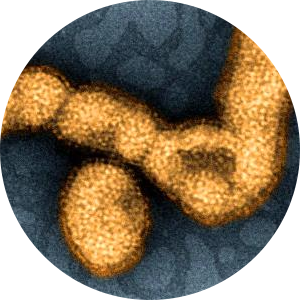
Responding to a global health threat posed by the H7N9 bird flu, Synthetic Genomics developed a synthetic approach that rapidly generated a vaccine seed from downloadable sequence data.
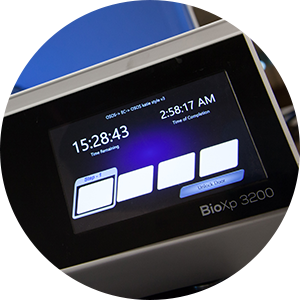
Synthetic Genomics’ BioXp System releases its cloning module. This new capability automates and expedites DNA cloning, a procedure used in nearly every academic and commercial molecular biology laboratory worldwide.
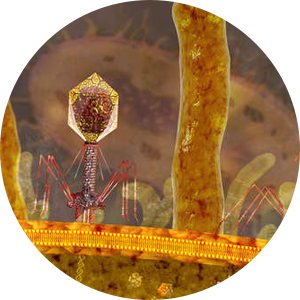
Developed “supercharged” phages, a type of virus, to combat antibiotic-resistant strains of Pseudomonas, a bug that causes skin infections, sepsis, and potentially-fatal pneumonia.

Synthetic Genomics discovers the genetic switch that enables both the growth and production of lipids.
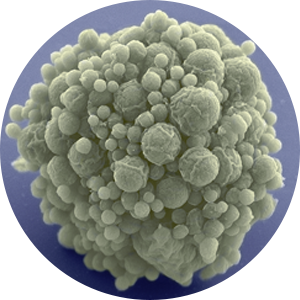
Built the first minimal synthetic bacterial cell. This is the smallest genome of any organism that can be grown in laboratory media. This feat leads to new tools and semi-automated processes for whole genome synthesis, aiding in more efficient development of biologic drugs.

Synthetic Genomics and ExxonMobil modified an algae strain that more than doubled its oil content without inhibiting the strain’s growth. The results were published in the peer-reviewed journal Nature Biotechnology.
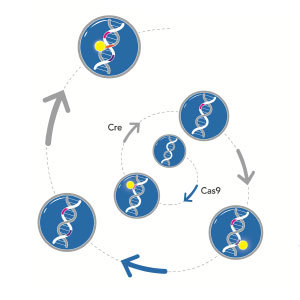
Published in the Proceedings of the National Academy of Sciences (PNAS), Synthetic Genomics successfully “stacked” seven different genes in a microalgae’s genome, as well as knocked out redundant genes. Ultimately, this allows for a single strain to express multiple desirable traits simultaneously.

SGI’s Algae Collaboration with ExxonMobil goes Outdoors - the development of SGI’s algae biofuels game-changing technology takes a big leap forward with the implementation of the California Advanced Algae Facility.